I know I am venturing into the world shared by sociologists, cultural anthropologists, cultural historians,…
Kyoto Report 2026 – 3
This weekly report will provide some insights into life for a westerner (me) who is working for an extended period at Kyoto University in Japan but who over the years of working here has increasingly began to understand the language and local cultural traditions.
Kurama – the hot spring that isn’t!
I have resisted travelling up into the mountains to Kurama in the past because the train is usually crowded and somce COVID I have kept my distance from concentrated crowds.
But the tourist season here stays in bed on Wednesdays and so I took a train last week early to the hot spring.
It is a 30 minute trip from my home near Demachiyanagi station and Kurama is a little mountain village where the – Tengu – hang out.
The only sign of them that I saw was the inanimate variety – this one near the train terminal.
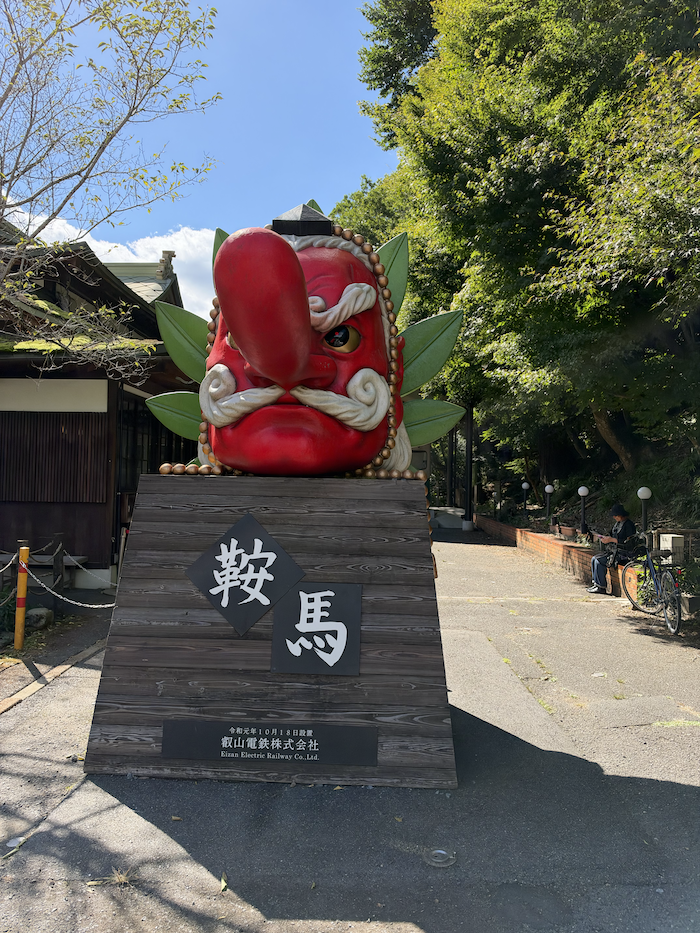
Shinto is an interesting belief system and the Japanese separate it from religious beliefs.
The Tengu is a sort of – Kami – which is a spirit or god that materialises in objects.
They are constructed in the dialogue as being ‘protectors of sacred mountains’ and given that they are considered to be master swordsman and martial arts experts, I felt a lot better walking in the mountains (-:
For the record, the Kurama Hot Spring is actually not a hot spring at all.
The entire Kyoto region has very little thermal activity and so the bath water is pumped up from about 70 metres then heated in a big furnace before making its way into the bath.
The purists would not be happy but the bath water is glorious and there was hardly anyone there on a Wednesday lunch hour.
The trip in the little Eizan train from Demachiyanagi is also delightful and the carriage was largely empty.
Perfect.
A trip to the beach
One of the drawbacks of living in Kyoto is that it is a way from the coast and being landlocked is not a preferred state.
Last weekend, given my local Parkrun at Yodagawa River Park (well it is 30 minutes away by train – so not so local) was cancelled due to a festival being held in the area.
October is festival month in this region and almost every weekend there is some large public event.
Anyway, given my goal is to participate in a Parkrun on every Saturday in 2026 (yes we all have to have some goals) I decided to take a train down south to Akashi and do the inaugural Okura Kaigan Parkrun at Okura Beach Park.
It is an hour train journey (via JR Nara Rapid Express) through Kobe and then onto Akashi.
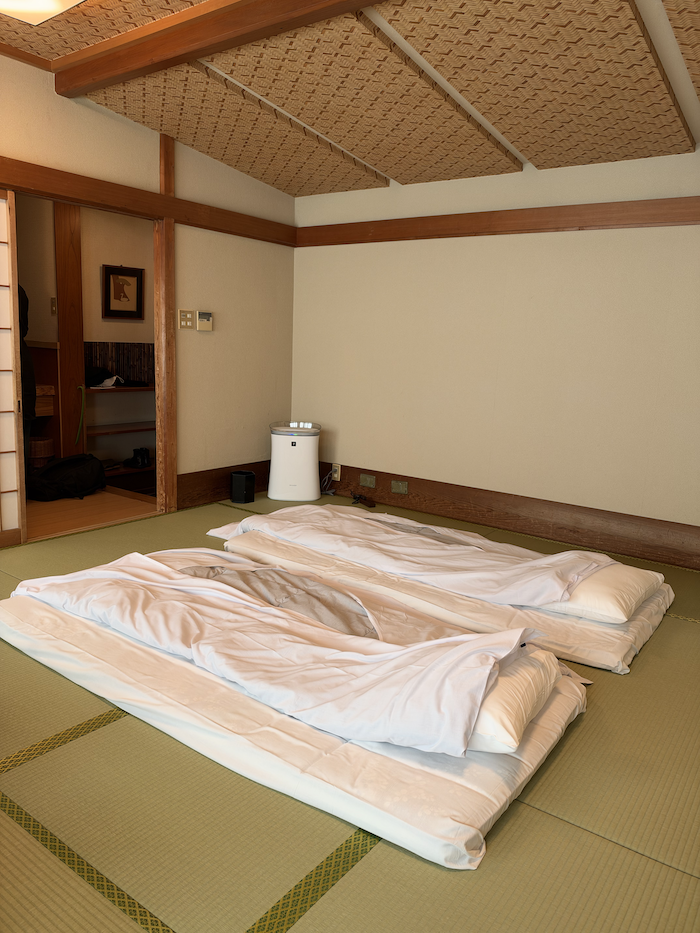
We booked a traditional Ryokan (旅館) at Okura Beach for around $A220 a night (which is a bargain here).
This is a traditional Japanese style inn and it was a great place to stay.
An onsen was within the inn complex and bathing after the run was a real treat for sore ageing legs.
For you parkrunners out there, I can recommend adding this one to your list.
We even had a cooling sea breeze up the last 1 km stretch which helped even though it was a headwind.
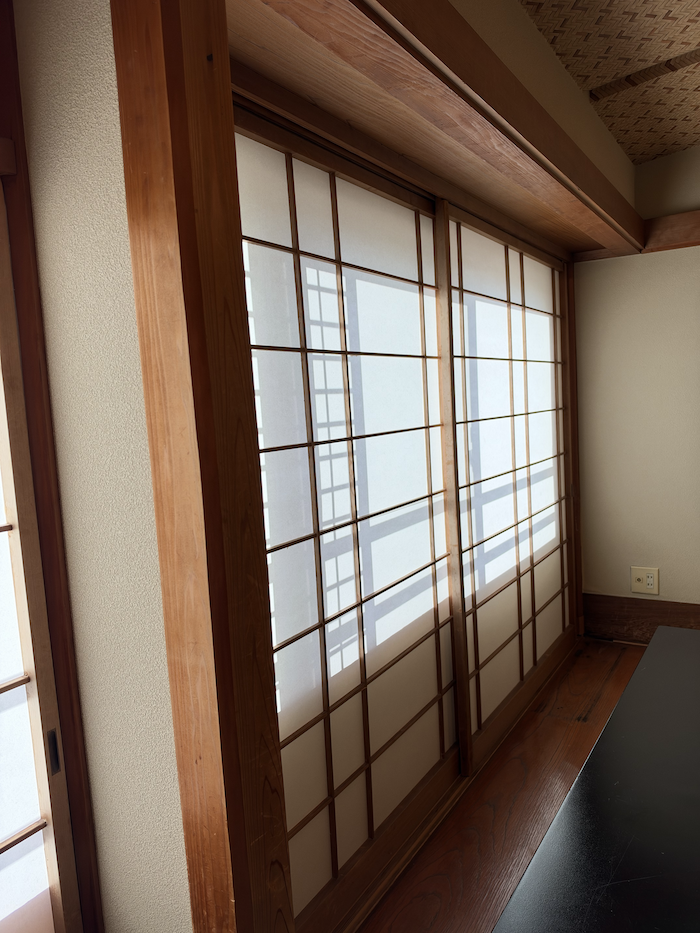
This was our room – much better than the usual Western style hotels:
Japan has very strict rules about beach access.
The official season runs mostly from July to August and outside of those times it is prohibited to swim there.
Coming from Australia where no such rules exist, the rigidity of the approach to using the coast was somewhat surprising.
The ocean in that area was very inviting and it was near the famous – 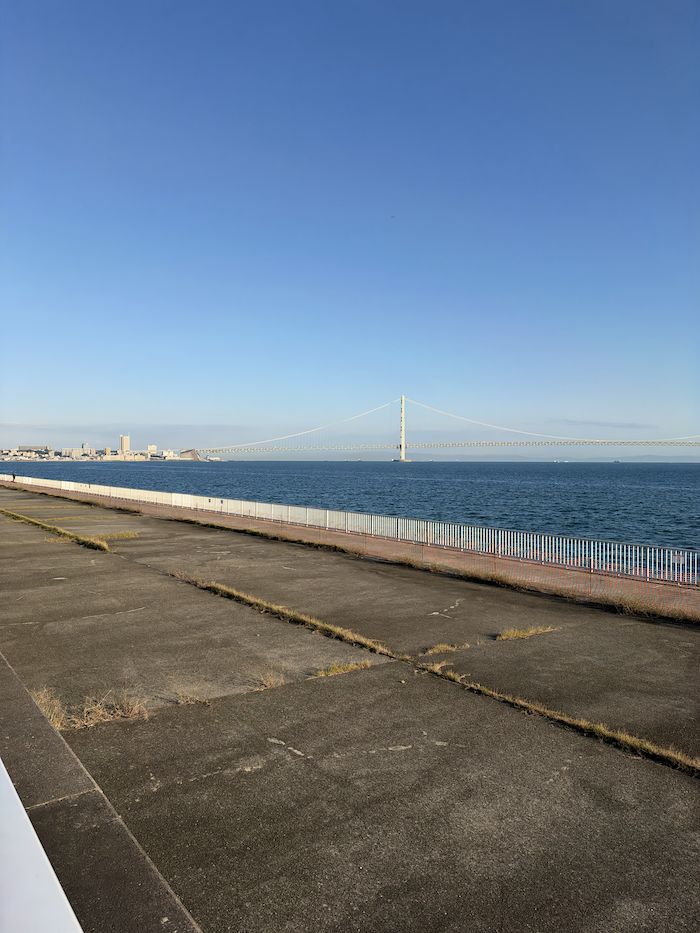
139 E
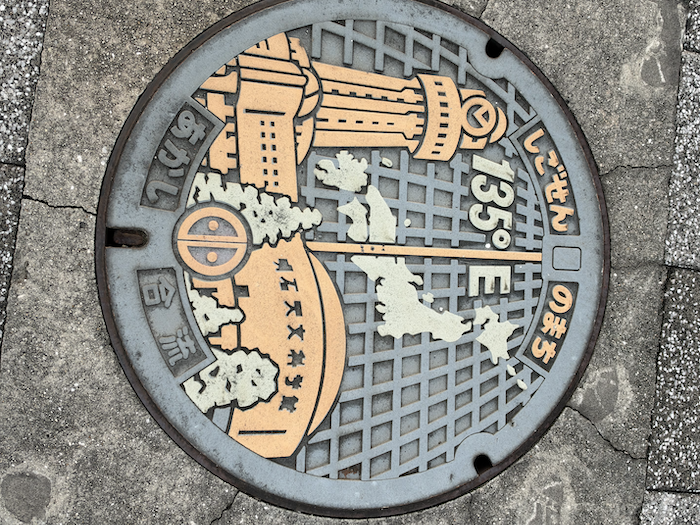
The area is also famous because it is where the – 135th meridian east – passes through Japan and is the benchmark upon Japanese Standard Time is based.
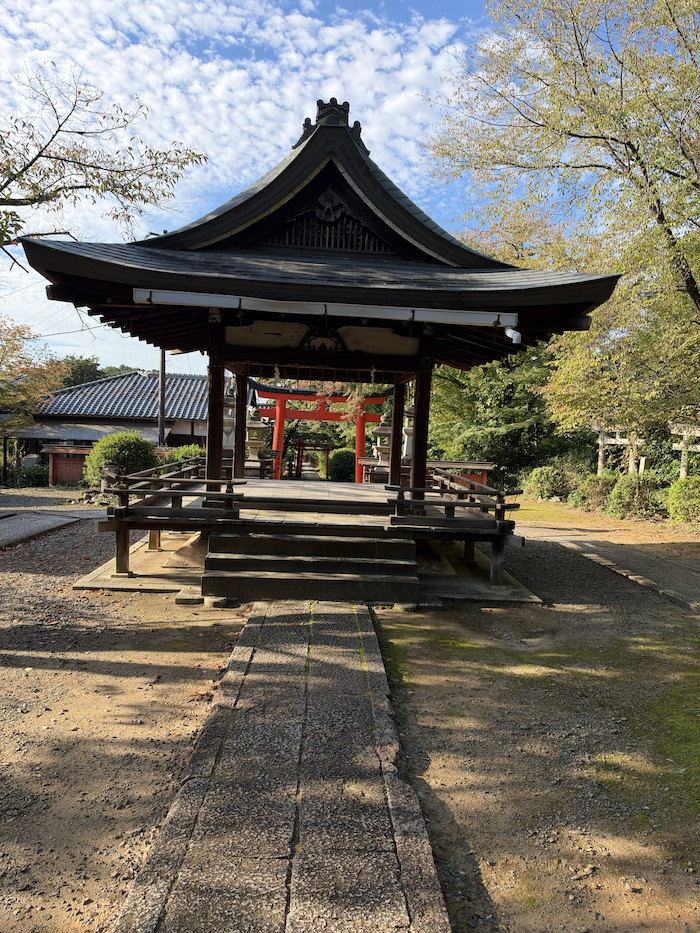
Early morning peace on Yoshida mountain
At home. I go to the pool and swim 1,500 metres on Monday mornings to give my knees a rest after a weekend of running abuse!
In Kyoto, I just go for a very long walk and yesterday we headed to the mountains – https://maps.app.goo.gl/ykWh3PCVivd8XFxJ8.
This is such a great place for walking, sitting and thinking, and enjoying the very early light among the quiet structures of the Yoshida Shrine.
This area is near my home and adjacent to Kyoto University.
The only problem is that the local bakery, which was a regular haunt seems to have changed its baking pattern and they don’t bake baguettes until late afternoon which rules out bread purchases early.
But they do produce black bean centred donuts which are justified by how many vertical metres one does going up the mountain and back again.
Another week gone by in Kyoto.

This Post Has 0 Comments